Target Audience:
Farmers, agricultural contractors, and tractor enthusiasts seeking a reliable utility tractor in the 70-80 hp range.
Model Positioning:
The Leyland 384 was a mid-range utility tractor, part of the Leyland 1000 Series, known for its robustness and simplicity.
Advantage Over Competitors:
The Leyland 384 offered a powerful and economical 4-cylinder diesel engine, smooth 8-speed transmission, and a comfortable, spacious cab at a competitive price.
Engine:
Powerful 4-cylinder diesel engine with high torque reserve.
Transmission:
Fully synchronized 8-speed gearbox with options for creeper or power shuttle.
Hydraulics:
Robust hydraulic system with up to 4,500 psi for demanding implements.
Comfort:
Operator-friendly layout with easy controls and optional cab.
Engine:
Includes specifications, tune-up, overhaul, and troubleshooting.
Fuel System:
Diesel fuel system components, injection pump, injectors, and adjustments.
Cooling System:
Radiator, thermostat, water pump, and cooling system flushing.
Electrical System:
Wiring diagrams, starting and charging systems, lights, and accessories.
Clutch:
Clutch adjustment, replacement, and hydraulic actuation.
Transmission:
Gearbox, gear selection, shafts, bearings, seals, and synchronization.
Differential and Final Drive:
Differential, bevel gears, and final drive maintenance.
Brakes:
Service and parking brakes, adjustment, and repair.
Steering System:
Steering gear, power steering pump, and linkages.
Hydraulic System:
Hydraulic pump, valves, cylinders, and three-point hitch.
Power Take-Off (PTO):
PTO shaft, clutch, and driveshaft.
Front Axle and FWD:
Conventional front axle and optional front-wheel drive components.
Cab and Accessories:
Cab fittings, controls, and optional accessories.
Fuel Tank and Platform:
Tank, lines, filters, and platform structures.
Fenders:
Fender components and installation.
Maintenance:
Routine service procedures with checklists and intervals.
Disassembly and Assembly:
Step-by-step instructions for component removal, repair, and installation.
Cleaning and Reinstallation:
Procedures for cleaning parts and proper reassembly.
Adjustment and Calibration:
Critical settings for valves, pumps, and brakes.
Troubleshooting:
Diagnostic charts and fault identification.
Detail Level:
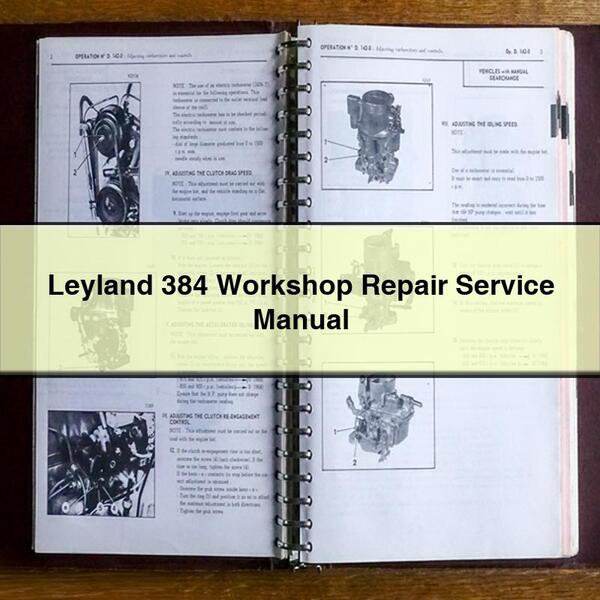
Factory service manual level with specifications, torque settings, and detailed diagrams.
Illustrations:
Clear diagrams and pictures to guide repairs.
Parts Identification:
Exploded views and part numbers to aid ordering and replacement.
Compatibility:
PC, Mac, tablets, and smartphones with a PDF reader.
Requirements:
Adobe Acrobat Reader or similar.
Searchability:
Fully searchable text.
Resolution:
High-quality images for clarity.
Binding Type:
Digital download; no physical binding.
Paper Type:
N/A - digital format; users can print on any paper type.
Crash Tests:
N/A - not applicable for tractors.
Rollover Protection:
ROPS (on cab or frame) standard or as option.
Brakes:
Wet disc brakes for reliable stopping.
Steering:
Optional power steering for better control.
Operator Environment:
Optional cab with rollover protection structures (ROPS).
Lighting:
Full lighting for working in low light.
Engine Oil:
Change every 100-150 hours or annually.
Hydraulic Oil:
Change every 1000 hours or as recommended.
Coolant:
Change every 2 years.
Air Filter:
Clean every 10 hours, replace as needed.
Engine Oil:
SAE 10W-30 or 15W-40 (API CC/SE)
Transmission/Hydraulic:
UTF with appropriate viscosity
Common Wear Items:
Brake discs, clutch plates, hydraulic seals, and steering linkage bearings.
Potential Issues:
Electrical connections can corrode; check regularly.
Manufacturer:
Leyland Tractors, part of British Leyland Motor Corporation.
Established:
Leyland Tractors formed in the late 1960s.
Series:
Part of the Leyland 1000 Series, which included various models from 25 to 100 hp.
Production:
The 384 was produced during the 1970s and early 1980s.
Factory:
Bathgate, Scotland (and later in Leyland, Lancashire)