Target audience:
DIY owners, mechanics and workshops
Segment:
Compact/mid-size pickup truck
Advantage:
Factory-level procedures at a fraction of dealer manual cost
Sales note:
Popular item with 4 historical sales
Content type:
Factory-level repair procedures, diagnostics and specifications
Searchability:
Fully searchable, bookmarked chapter navigation
Device support:
Windows PC, Mac, tablets and smartphones
Coverage areas:
Engines, transmission and drivetrain, brakes, suspension and steering, electrical, cooling, fuel, body and chassis
Manual type:
Workshop service repair manual
Page count:
N/A - multi-hundred page factory compilation, see PDF
File format:
Searchable PDF (zoomable, printable, bookmarked)
Delivery method:
Instant digital download after purchase
Access:
Download again anytime after purchase
Engine mechanical:
Complete overhaul - disassembly, inspection, rebuild
Lubrication and cooling:
Cooling and heating systems service
Fuel system:
Fuel system maintenance and repair
Transmission and drivetrain:
Transmission, clutch and driveline service
Brakes:
Brake system inspection and service
Suspension and steering:
Component removal, inspection and replacement
Electrical:
Wiring diagnostics, testing and repair
Body and chassis:
Body, chassis and interior service
Heating and ventilation:
HVAC component service procedures
Maintenance schedules:
Factory service intervals and safety warnings
Diagnostics:
Symptom-based troubleshooting with flowcharts and diagnostic trees
Electrical testing:
Multimeter test procedures and component function verification
Assembly guides:
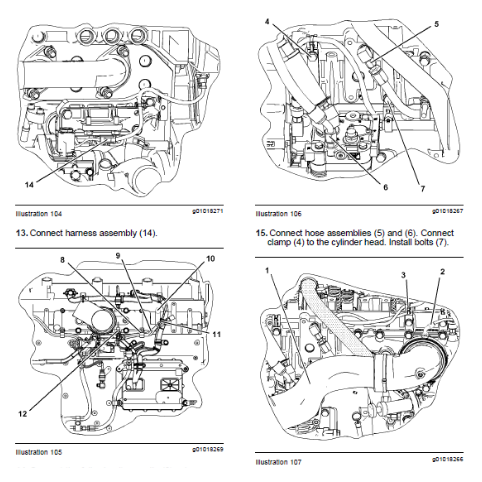
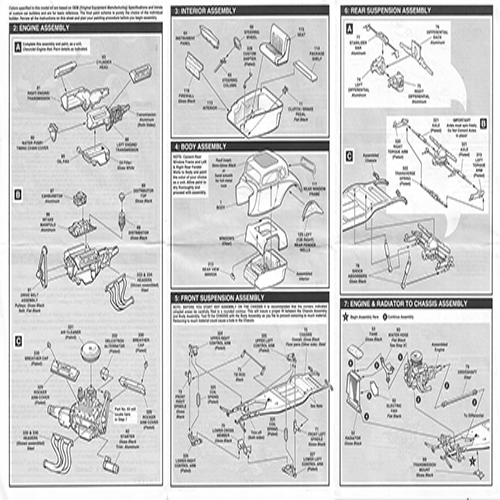
Step-by-step procedural diagrams with tool usage illustrations
Specifications:
All factory specifications, tolerances and wear limits included
Torque data:
Tightening torque specifications for all fasteners
Component limits:
Wear limit inspections and allowable tolerances
Special tools:
Special service tool numbers with illustrations
Wiring diagrams:
Detailed wiring diagrams and electrical schematics
Exploded views:
Exploded-view parts diagrams with OEM part numbers
Component location:
Component identification and location guides
Diagrams:
System assembly and disassembly illustrations
File Format:
PDF (searchable, bookmarked, zoomable)
Compatibility:
Windows, macOS, Linux, iOS, and Android — any device with a PDF reader
Requirements:
A PDF reader application (e.g. Adobe Acrobat Reader, free)
Searchability:
Fully text searchable for fast lookup of any topic
Print Quality:
High-resolution digital pages, printable at full clarity
Binding Type:
N/A — digital download, no physical binding
Paper Type:
N/A — digital download, no physical paper
Engine range:
Petrol and diesel variants across PD, PE, PG series - refer to manual for model-year applicability
Displacement:
Refer to manual for detailed specifications per engine
Performance figures:
Factory output ratings listed in manual specifications chapter
Fuel system:
Carburetted and fuel-injected petrol; diesel variants as fitted per market
Torque values:
All factory torque specs included
Tolerances:
Wear limits and allowable tolerances for all engine components
Rebuild data:
Complete overhaul procedures with inspection criteria
Standard transmission:
Manual gearbox fitted per model variant - see manual for specific ratios
Optional transmission:
Automatic transmission options per model year covered
Clutch:
Clutch removal, inspection and adjustment procedures
Driveline:
Driveshaft, differential and 4WD component service
Features:
Ratios, shift linkage adjustment and rebuild data per transmission type
Crash test ratings:
N/A - not specified in this workshop manual
Active features:
Brake system inspection and service procedures covered in detail
Passive features:
Restraint and supplemental system service references per model year
Safety warnings:
General safety warnings included at the start of each procedure
Service intervals:
Factory maintenance schedules included
Fluid specifications:
Fluid types and capacities listed in specifications chapters
Wear items:
Brakes, filters, belts and suspension bushings identified as common service items
Known issues:
Symptom-based troubleshooting flowcharts cover common fault patterns
Routine maintenance:
Step-by-step service procedures for all scheduled items
Specification checks:
Torque specs and wear limits for verification during service